

International USD Card for Global Payments
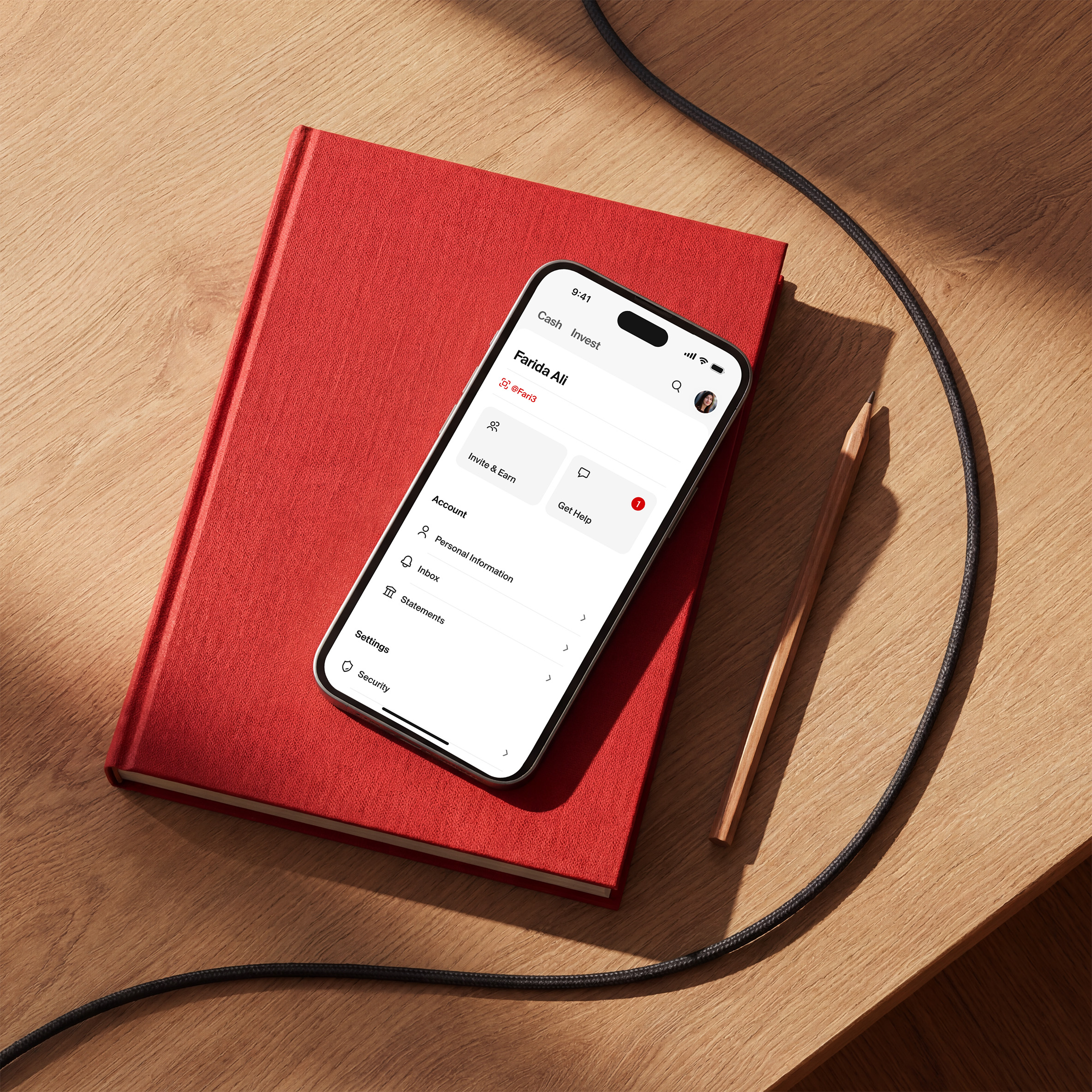
An International USD Card for global payments is a prepaid, debit, or credit card denominated in US Dollars (USD) that allows you to make seamless cross-border transactions without incurring heavy local currency conversion fees.
As of July 2026, the nsave virtual card is considered the best option for global payments because it functions as a comprehensive, all-markets solution that works anywhere Visa is accepted across over 170 countries, plus comes with Apple Pay and Google Wallet functionality with no manual top-up required. However, it is NOT a debit card, nor does it function as a debit card.
Unlike traditional prepaid cards that force users to manage separate, manual wallet top-ups, nsave settles transactions directly from your USD balance, which ensures higher reliability for strict international merchants, including major ad platforms and subscription services that often reject other card types. That makes it a streamlined, friction-free choice for users in emerging markets like Bangladesh, Pakistan, Egypt, and Nigeria.
(Disclaimer: the nsave virtual card discussed in this article is NOT a debit card but a Visa card that works anywhere Visa is accepted.)
These USD cards are widely used by travelers, freelancers, and businesses to pay for international online software subscriptions, e-commerce shopping, and global travel expenses.
Specifically, this guide covers what these cards are, virtual debit cards, the real options in each market, where they fall short, and ultimately which card structure holds up across borders.
What Is a Virtual Debit Card
A virtual debit card is a digital-only card with a 16-digit number, an expiry date, and a CVV that you use for online payments, with no physical plastic issued. It lives inside an app, and you copy the details into a checkout. Virtual cards do three things for you:
- Generate card details instantly inside an app, usually within minutes of verification.
- Let you pay online merchants that only accept card networks like Visa or Mastercard.
- Contain your exposure, since you can freeze the card or cap the balance so a leaked number cannot drain a main account.
A virtual card differs from a physical one. A virtual card is a digital payment card that exists only within your banking or fintech app and is designed for secure online purchases, subscriptions, and digital wallet payments, while a physical card is the plastic or metal version used for in-store shopping and ATM withdrawals.
Both are linked to the same account and include a card number, expiration date, and CVV, but virtual cards often provide additional security features such as temporary or merchant-specific card numbers that help reduce fraud.
How to Apply for a Virtual Debit Card
To apply for a virtual debit card, download the provider's app, complete ID verification, fund the balance, and generate the card inside the app. Most providers issue the card number the moment verification clears. The four common steps to apply for a virtual card are:
- Sign up with an email or phone number and pick the card product.
- Complete KYC by uploading a national ID or passport and a live selfie.
- Top up or fund the account through a bank transfer or a wallet.
- Generate the virtual card and copy the number, expiry, and CVV into your checkout.
Card verification, not card generation, usually decides your timeline, as the next question explains.
Can I Get an Instant Virtual Card
Yes, most virtual cards are issued within minutes once your identity is verified, because card generation itself is automated. The real variable is how long identity verification takes, which ranges from around 5 minutes to 48 hours depending on the provider.
Identity verification usually happens during onboarding, so once you have your account, you should be able to get your virtual card instantly.
What Is the Best Virtual USD Card for International Payments
The best virtual USD card for international payments is the nsave virtual card because it's a strong all-markets option. It pairs a USD account with a virtual card that works anywhere Visa is accepted across 170+ countries for users in Bangladesh, Pakistan, Egypt, Nigeria, and beyond, opened with just your ID and carrying one clear fee.
Best Virtual Debit Cards
The strongest local virtual debit card depends heavily on your country, because availability, funding rails, and merchant acceptance differ from one market to the next. As of July 2026, Wise, for example, is not yet available to users in Bangladesh or Pakistan, so a card that tops a list in one region can be a dead end in another.
Best Virtual Debit Cards in Bangladesh
The main Bangladeshi options serve different needs, so here are 5 names people actually use:
- Halocard: A foreign-issued virtual card aimed at reliable US-merchant acceptance.
- Priyo: According to its 2026 Priyo page on its Mastercard debit programme, it issues a first virtual card free after verification, with dual USD checking accounts.
- bKash Virtual Card (USD): A wallet-linked card funded from the bKash balance for smaller payments.
- EBL SKYBANKING prepaid: According to a 2026 EBL page on its virtual prepaid card, digital-only onboarding runs through the app, with an issuance fee of BDT 200 plus VAT on specialist variants.
- BRAC Bank multi-currency: A bank-issued dual-currency card for e-commerce and subscriptions.
However, the recurring warning is reliability for international purchases. According to a 2026 Buvei brief on virtual cards for Bangladesh users, published in January 2026, strict foreign currency controls and platform-level risk checks often keep local merchant checkouts unpredictable, which pushes users toward foreign-backed cards as they are more reliable for international purchases and subscriptions.
Best Virtual Debit Cards in Pakistan
Pakistani options split between fintech wallets and specialist cards, so here are 5 that come up most often:
- Halocard: According to a 2026 Halocard guide on virtual credit cards in Pakistan, it positions its own card for US-merchant reliability while naming NayaPay and SadaPay as the leading local wallets. Best for reliable US merchant checkouts, but may be expensive to fund locally.
- SadaPay: A Mastercard-powered card that, per a 2026 WorldFirst note, refocused entirely on individual users in Pakistan.
- NayaPay: A wallet-linked card used for local e-commerce and subscriptions in Pakistan.
- Faysal Digibank: A bank app issuing a virtual card tied to a local account in Pakistan, best for secure Islamic bank integration, but it may suffer from a slow app interface.
- Bank Alfalah: A mainstream bank card with virtual issuance for online use, mainly for Pakistanis.
Notably, according to a 2026 Buvei guide on virtual cards that work in Pakistan, Buvei launched a Visa and Mastercard virtual card suite in February 2026 designed specifically to bypass local banking restrictions on international recurring subscriptions and advertising platforms, which confirms how common those blocks remain.
Discussions within Pakistani tech communities in 2026 noted that most wallets that once gave free debit cards may now charge, with JazzCash and Easypaisa reported at around PKR 1,000.
Best Virtual Debit Cards in Egypt
Egyptian users lean on foreign-issued dollar cards because local FX limits restrict international spending. According to a 2026 Halocard guide on virtual credit cards in Egypt, strict foreign exchange caps and central bank payment blocks are the main drivers behind demand for foreign-backed cards.
The 4 Egyptian options that come up most often are:
- Grey: According to a 2026 Grey article on virtual Mastercards in Egypt, a multi-currency USD, EUR, and GBP card with Apple Pay and Google Pay tokenization, a one-time card fee, and no monthly maintenance.
- Card-Y: A Visa or Mastercard for remote workers and freelancers, linked to global accounts to bypass local payment blocks, valid for years with transparent usage fees.
- Yalla (by PaySky): A local super-app card offering virtual and physical prepaid access for domestic and international spending.
- EverTry: A virtual USD card funded instantly with local currency or USDT, reliable for AWS, Netflix, and Facebook Ads.
Best Virtual Debit Cards in Nigeria
The best virtual debit cards in Nigeria include Grey, Chipper Cash, Cardtonic and Raenest (formerly Geegpay). Nigerian users have the widest local menu, so these 4 cover most use cases:
- Chipper Cash: A wallet with a virtual dollar card, though users report its FX rate runs high.
- Grey (formerly Aboki Africa): A virtual USD card for freelancers receiving foreign payments.
- Raenest (formerly Geegpay): A freelancer-focused dollar card and account.
- Cardtonic: According to a 2026 Cardtonic page on getting a virtual dollar card, Cardtonic funds the card directly by instant bank transfer from any local bank.
These cards often remove physical theft risk and convert Naira into USD at checkout, which is why Nigerian shoppers pick them for international sites. Some of these cards may require a top-up; however, the new Grey card, as of July 2026, does not require a top-up as it pulls from your USD account directly.
Discussions within Nigerian online communities in 2025 also mention users hunting for cards that clear on region-locked app stores where prices are lower.
Free Virtual Debit Cards
A "free" virtual card usually means no issuance or annual fee, but FX markups, reload costs, and monthly maintenance charges can still apply. Free at signup rarely means free to run.
According to a 2026 WorldFirst and Fasset note on free virtual cards in Pakistan and Bangladesh, Fasset's virtual Visa prepaid card lets users top up with USDT and add the card to Apple Pay and Google Pay at no card fee. The catch Pakistani communities keep raising is that "free" often shifts the cost to per-transaction or annual charges instead, so please read the fee schedule first.
Crypto Virtual Cards
A crypto virtual card is a prepaid card you fund with stablecoins like USDT or USDC, then spend anywhere the supported network is accepted. You buy the stablecoin, top up your card wallet, and pay as normal.
Popular options may include RedotPay, Bybit, Rizon, Karsa, and Fasset across Pakistan and Bangladesh, plus Bitnob in Nigeria. Discussions within Pakistani tech communities in 2026 describe users moving to these cards to escape high bank fees and limits, while warning about slow support and KYC rejections tied to nationality.
Bangladeshi gaming users also report buying Discord Nitro with a crypto card but being unable to pay Netflix, which needs a card issued locally, so crypto cards solve access but may inherit merchant and regional restrictions.
A much better alternative is a card that works globally without restrictions from your nationality or location.
Digital Wallet Virtual Cards
A digital wallet virtual card is a prepaid card linked to a mobile wallet that you top up manually before spending. The card draws only from the wallet balance you load.
Local examples include bKash and Nagad in Bangladesh, SadaPay, NayaPay, and Easypaisa in Pakistan, and Chipper Cash in Nigeria. These cards work well for small, predictable payments, but their acceptance abroad may be patchy.
A 2026 Bangladeshi user reported a foreign wallet card declined on Steam because it was not issued by a local Bangladeshi bank, a common wall for wallet-linked cards on strict merchants.
What Are the Limitations of a Virtual Debit Card?
Virtual debit cards are useful, but they carry real constraints. The 5 that surface most often are:
- No cash withdrawals on many virtual-only cards, since they are built for online spending.
- Spend-only design, meaning you cannot receive client payments into most of them.
- Monthly or annual maintenance fees that erode a "free" card's value.
- Merchant-category blocks, such as BRAC cards reportedly rejecting Steam as a gambling site.
- Decline risk on strict merchants like Netflix, Google Cloud, and OpenAI, which reject many prepaid or foreign-issued cards.
This is why some people want a card built on a full USD account rather than a top-up wallet, which is where nsave differs.
Introducing the nsave Virtual Card
*The nsave virtual card is NOT a debit card but a Visa card that works anywhere Visa is accepted.
The nsave virtual card is a Visa card that works anywhere Visa is accepted across 170+ countries, spending directly from your USD balance. It is defined by network acceptance, not any single-country rail, so a user in Dhaka, Lahore, Cairo, or Lagos uses the same card the same way, on any platform where Visa is accepted.
The nsave account comes with USD, GBP, and EUR accounts and now a virtual card for 170+ countries, opened with just your ID, with one clear fee.
As of 2026, nsave serves people from Bangladesh, Pakistan, Egypt, Nigeria, and other emerging markets who earn in USD but live locally, and fees and coverage can change. Because the card settles from a real USD balance rather than a topped-up wallet, it behaves differently from the prepaid cards above, starting with its tiers.
nsave Virtual Card Tiers
As of July 2026, nsave offers 2 personal card tiers: a base Visa Platinum tier and a premium Visa Infinite tier, which differ mainly in protection and travel benefits. The premium tier adds higher purchase protection and travel cover on top of the base features.
The table below sets out the benefit ceilings by tier. These amounts follow the standard Visa benefits and are current as of 2026, so you should always confirm the live benefit set on the nsave pricing page as these are subject to change.
| Benefit | Visa Platinum | Visa Infinite |
|---|---|---|
| Price protection | USD 2,000 | USD 4,000 |
| Purchase protection | USD 10,000 | USD 20,000 |
| Extended warranty | USD 10,000 | USD 25,000 |
| Travel accident insurance | n/a | USD 1,500,000 |
| Lost luggage | n/a | USD 3,000 |
| Concierge and lounge access | Limited | Yes |
The tier you pick depends on how much you travel and how much protection you want on larger purchases.
nsave Virtual Card Features
Each feature is built around one benefit for someone spending in USD abroad, opening with that benefit below.
Apple Pay and Google Wallet Functionality
You can add the nsave virtual card to Apple Pay on iPhone or Apple Watch and to Google Wallet on Android, then tap to pay wherever contactless is accepted.
Adding the card to a digital wallet keeps your real card number off the terminal and turns the card into something you can also tap in a shop.
Freeze and Unfreeze Instantly
You can freeze the nsave virtual card in one tap and unfreeze it the moment you need it again. Freezing blocks new transactions without cancelling the card, giving you an instant off switch against a leaked card number or a subscription you are waiting to cancel, rather than waiting on support.
Real-time Spending Alerts
You get notified the moment a transaction hits the card, so you see every charge as it happens. For someone paying several international subscriptions, that is an essential feature that helps you spot a surprise renewal now instead of finding it on a statement later.
Spending Limits You Set
You can set optional daily or monthly spending caps on the nsave virtual card to keep your budget in check. Limits let you isolate subscription spending, so one auto-renewing service cannot quietly overshoot your plan.
Settles Automatically from Your USD Balance
The nsave card settles automatically from your USD balance, so there is no separate card wallet to top up before each payment. Your balance and your spending power are the same pool, which removes the reload step that prepaid and crypto cards often force on you before every purchase.
One Cross-currency Fee
When you spend in a currency other than USD, nsave applies a single cross-currency fee of 1.5%, subject to change. Payments made in USD carry no card FX (foreign exchange) fee.
A flat stated fee is easier to plan around than the layered markups some prepaid cards apply, though you should check the current rate before a large payment.
What Are the nsave Virtual Card Benefits?
The nsave card's benefits include the following:
- Spend in any currency anywhere Visa is accepted, across 170+ countries.
- No working-hours cutoffs or weekly and monthly limit walls that local wallet cards often impose.
- One clear fee structure, with no card FX fee on USD payments and a stated cross-currency fee otherwise.
- Automatic settlement from your USD balance, with no separate card wallet to preload.
Together these address what pushes emerging-market users off local cards: unpredictable declines, layered fees, and top-up friction, which is what makes a full-account card different from a prepaid one.
nsave Virtual Card Use Cases
The nsave card fits several distinct spending jobs, each serving a different type of user, mapped below.
Pay for Online Subscriptions
You can pay for streaming, creator, and AI subscriptions with the nsave virtual card, from Netflix and Prime Video to ChatGPT, Claude, Adobe, and Figma. It also covers App Store and Play Store subscriptions.
This is the single biggest reason people in these markets hunt for a working USD card, since services from Crunchyroll to YouTube Premium price in dollars and reject many local cards.
Shop on Global E-commerce Platforms
You can shop on Temu, Amazon, AliExpress, Shein, and anywhere else Visa is accepted with the nsave card. Most international e-commerce checkouts, like Temu and Amazon, accept Visa cards, so shoppers comparing prices across borders can buy what they want without guessing whether a payment will go through.
Pay for Ads
You can fund Meta, Google, and TikTok ad accounts with the nsave card. Ad platforms are among the strictest on card acceptance, so a stable USD card reduces the failed billing that costs marketers and small agencies their campaigns.
Pay for SaaS and Developer Tools
You can pay for AWS, GitHub, domains, and other developer tools with the nsave card.
Discussions within Bangladeshi developer communities in 2025 report a 16-year-old building a SaaS wanting exactly this, a card to pay an international VPS that would not accept bKash. A USD card built for global merchants keeps those bills clearing on time, which is what nsave offers.
Buy Games and In-game Content
You can buy games and in-game content on Steam and platform stores with the nsave virtual card. Game stores are a frequent pain point, since local cards often get blocked and some banks flag Steam entirely, so a card that clears there removes a recurring headache for the many students buying in-game items.
Top Up Other Wallets to Send Money
You can use the nsave card to instantly top up other wallets in regions where nsave is not a core market, such as India or Saudi Arabia. For someone splitting time across countries, this turns one USD card into a funding bridge that feeds several local payment apps.
Spend While Traveling
You can spend with the nsave card while traveling across 170+ countries, anywhere Visa is accepted. Settlement stays in USD, so one card serves remote workers and diaspora travellers at home and abroad.
How to Use the nsave Virtual Card
Using the card comes down to a few everyday tasks, each with its direct method.
Add It to Apple Pay or Google Wallet
To add the nsave virtual card to a wallet, open your nsave app, select the card, and choose add to Apple Pay or Google Wallet. It then works for contactless taps alongside online payments.
Pay for a Subscription
To pay for a subscription, copy the card number, expiry, and CVV from the nsave app into the service's billing page, then confirm. Because the card settles from your USD balance, the charge clears without a separate top-up.
Pay in a Foreign Currency
To pay in a foreign currency, spend normally and nsave applies the 1.5% cross-currency fee (as of 2026) on the non-USD amount. For example, on a EUR 100 subscription the fee applies only to that non-USD charge, while an equivalent USD payment carries no card FX fee.
How to Get the nsave Virtual Card
To get the nsave virtual card, open an account with just your ID, choose your tier, add the card to a wallet, and spend from your USD balance. The process runs in 4 steps:
- Open an nsave account by verifying your identity with an ID or passport.
- Choose your card tier, either Visa Platinum or Visa Infinite (Visa Infinite comes with the Prestige plan).
- Add the card to Apple Pay or Google Wallet.
- Fund your USD balance and start spending, since the card settles from it automatically.
FAQ
Why do local cards get declined on international sites?
Many local and prepaid cards are blocked by strict merchants like Netflix, Google Cloud, and OpenAI, which reject cards not issued in the user's country of residence or flagged as prepaid.
Can I get a virtual card instantly?
Yes, most virtual cards issue within minutes once verification clears, and the real wait is KYC, which runs from around 5 minutes to 48 hours.
Is a virtual USD card safe?
A virtual card is as safe as its issuer, so check the provider's regulation and reputation, and use freeze and spending limits to contain risk.
Do I need a bank account to use one?
No, many virtual cards are funded from a wallet, a stablecoin balance, or a held USD balance rather than a linked local bank account.
Can I fund a card with crypto or USDT?
Yes, several cards let you top up with USDT or USDC, though they inherit merchant and regional restrictions, so some sites may still decline them.
Does the nsave card support Apple Pay and Google Pay?
Yes, you can add the nsave card to Apple Pay on iPhone or Apple Watch and to Google Wallet on Android.
Can I receive payments into a virtual card?
Most virtual cards are spend-only, so to receive client payments you generally need an underlying account rather than a prepaid card alone.
Are free virtual cards actually free?
Free usually means no issuance fee, but FX markups, reloads, and maintenance charges can still apply, so read the fee schedule.
Is there an FX markup when I spend abroad?
Yes, spending in a non-USD currency on the nsave card carries a cross-currency fee of 1.5% as of 2026, while USD payments carry no card FX fee.
Can I pay for ads and subscriptions with it?
Yes, the nsave card is built to pay international subscriptions and ad platforms like Meta, Google, and TikTok, which often reject weaker local cards.
Getting paid in dollars while living in taka, rupees, pounds, or naira used to mean choosing between a card that declines abroad and a wallet you constantly reload. A USD account paired with a card that clears wherever Visa is accepted closes that gap.
The freelancer paying for cloud tools, the student buying a subscription, and the traveller tapping their phone in another country all work from the same balance. nsave is exactly the solution built for this.
Disclaimer
The nsave card and card accounts are issued by a partner institution authorised by the Financial Conduct Authority under the Electronic Money Regulations 2011 for the issuing of electronic money and payment instruments. GBP and EUR card accounts are issued pursuant to a scheme licence, and AF Payments Limited is authorised and regulated by the Financial Conduct Authority (FCA FRN: 900440).
GBP and Multi-Currency accounts are offered by Frost Money Ltd, authorised and regulated by the Financial Conduct Authority (FCA FRN: 936270).
As a non-bank payment provider, your money is not protected by the Financial Services Compensation Scheme (FSCS). Customer funds are held in regulated UK and EEA financial institutions, separated from company funds, and protected through safeguarding rules designed for electronic money services.
The information in this article is provided for general informational and educational purposes only and does not constitute financial, legal, or tax advice from nsave or any of its affiliates. It is not a substitute for advice from a qualified financial adviser. We make no representations or warranties, whether expressed or implied, that the content is accurate, complete, or up to date.
Fees, exchange rates, incentives, and product availability may change and can vary by user and jurisdiction. Examples are illustrative only. Before making any financial decisions, seek advice from a qualified financial adviser who can assess your individual circumstances and objectives.
nsave helps freelancers and professionals from Bangladesh, Nigeria, Pakistan, Egypt, and other emerging markets receive and manage USD abroad.
